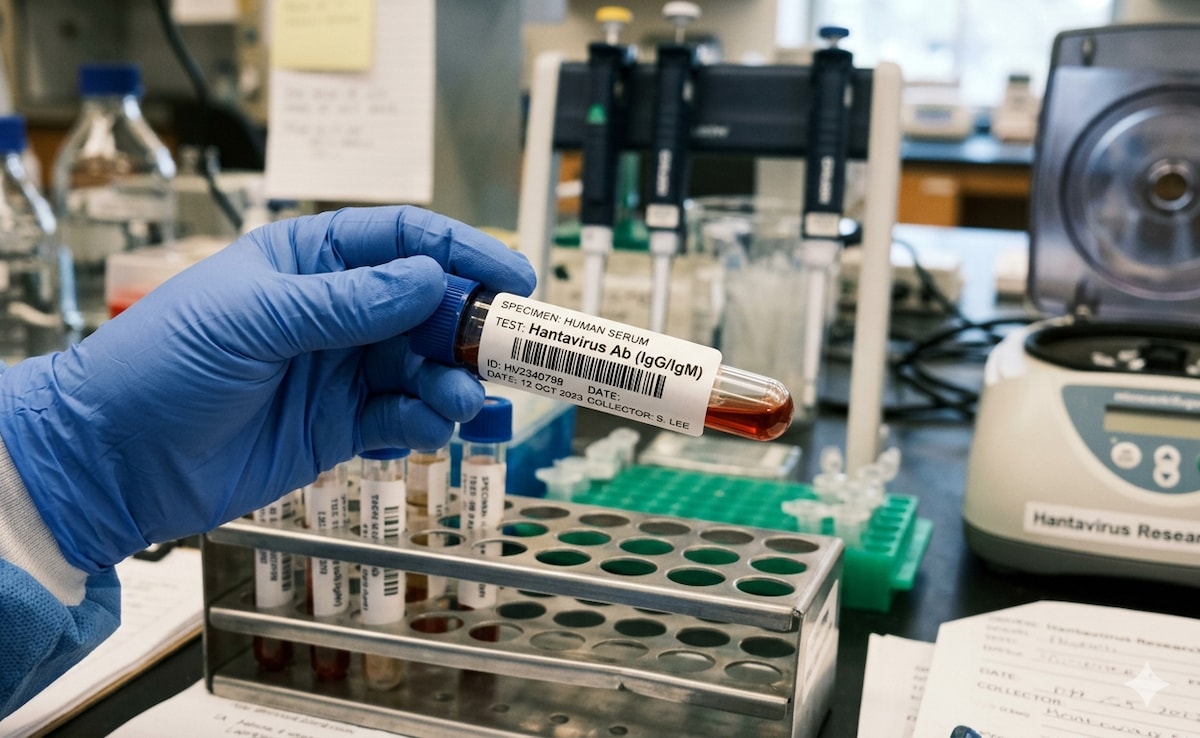
Hantavirus isn't the first thing that comes to mind when you think of health threats in Africa. Most people focus on malaria, Ebola, or cholera. That makes sense because, right now, the actual risk of a Hantavirus outbreak on the continent remains statistically low. But "low risk" isn't "no risk." The World Health Organization (WHO) is starting to beat the drum on preparedness, and they aren't doing it just to hear themselves talk.
You've probably heard of Hantavirus in the context of the American Southwest or parts of East Asia. In those places, it’s a terrifying respiratory or hemorrhagic illness spread by rodents. In Africa, the situation is quieter but more complex. We’ve known about Hantaviruses in African small mammals for decades, but the jump to humans hasn't been a headline-grabber yet. That could change. If you wait for a spike in cases to build a diagnostic network, you've already lost the game.
The Reality of Hantavirus Risk Across the Continent
Don't let the lack of daily news reports fool you. Research shows that Hantaviruses are present in various rodent species across West, Central, and East Africa. The Sangassou virus, found in Guinea, was the first Hantavirus actually isolated from an African rodent that showed the potential to infect humans. Since then, we've seen evidence of other strains like the Azagny virus in Côte d’Ivoire.
The problem isn't that the virus is absent. The problem is that we aren't looking for it. Most clinics in rural areas see a patient with a high fever and muscle aches and immediately test for malaria. If that's negative, they might check for typhoid. If those are negative, the patient often gets a broad-spectrum antibiotic and a "good luck." Many Hantavirus cases are likely being misdiagnosed as other "undifferentiated febrile illnesses."
We need to stop assuming every fever is a common culprit. Without specific laboratory testing, Hantavirus stays invisible. This creates a false sense of security. It’s hard to tell people to be afraid of something they can’t see and doctors aren’t testing for. But the biological pieces are all on the board.
How Transmission Actually Happens
You don't get Hantavirus from a mosquito bite. You get it from rodents. Specifically, you breathe it in. When infected mice or rats shed the virus in their urine, droppings, or saliva, those substances dry out. When someone sweeps a floor or moves old boxes, the virus becomes airborne in tiny dust particles.
- Aerosolization is the primary culprit.
- Direct contact with waste or bites is less common but still happens.
- Human-to-human spread is extremely rare, though it has been documented with the Andes strain in South America.
In many African regions, the interface between humans and wildlife is shrinking. As cities expand or forests are cleared for agriculture, people come into closer contact with rodent populations that they previously never encountered. That's the spark. All you need is the right rodent in the right house.
Why the WHO is Pushing for Early Warning Systems
The WHO isn't sounding the alarm because of a massive surge in deaths. They’re doing it because our current surveillance is thin. If a more virulent strain of Hantavirus starts jumping to humans in a crowded urban center like Lagos or Nairobi, the lack of ready-made testing kits would lead to a disaster before we even knew what we were fighting.
Preparedness sounds like a boring bureaucratic word. It’s not. In this context, it means training lab technicians to recognize the specific genetic markers of African Hantaviruses. It means teaching local health workers to ask about rodent sightings when a patient shows up with unexplained lung issues or kidney failure.
Lessons from Other Viral Outbreaks
We’ve seen this movie before. Look at how long it took to identify the scale of the West African Ebola outbreak in 2014. The delay wasn't just about resources; it was about recognition. When health systems are primed to only see what they expect, they miss the outliers. Hantavirus is an outlier.
The WHO's strategy involves integrating Hantavirus screening into existing programs for hemorrhagic fevers. It’s about efficiency. You don't need a whole new building for Hantavirus. You just need to add it to the list of things the current buildings are looking for.
Simple Ways to Reduce Household Risk
You don't need a degree in virology to protect a community. The most effective interventions are remarkably low-tech. If you control the rodents, you control the virus. It’s that simple.
Most people make the mistake of using a broom to clean up rodent-infested areas. Don't do that. Sweeping kicks the virus into the air, which is exactly how you get infected. Instead, use a disinfectant or a bleach solution to wet down the area before cleaning. This keeps the dust—and the virus—heavy and on the ground.
- Seal the gaps. Mice can squeeze through holes the size of a pencil.
- Store food properly. Use metal or thick plastic containers that teeth can't penetrate.
- Clear the perimeter. Keep tall grass and woodpiles away from the house walls.
These actions don't just stop Hantavirus. They stop Lassa fever, leptospirosis, and a dozen other nasty things carried by vermin. It's high-impact hygiene.
The Difficulty of Modern Diagnosis
Honestly, diagnosing this thing is a nightmare without a solid lab. The early symptoms look like everything else: fatigue, fever, and muscle aches in the large muscle groups like thighs and back. It feels like a bad flu.
Then, suddenly, it isn't a flu. In the "wet" version (Hantavirus Pulmonary Syndrome), your lungs fill with fluid and you can't breathe. In the "dry" version (Hemorrhagic Fever with Renal Syndrome), your kidneys start to shut down. By the time these severe symptoms appear, the window for easy intervention is closing. This is why the WHO wants frontline clinics to have better tools. We need to catch it in the "achy" phase, not the "gasping for air" phase.
Moving Toward a More Proactive Health Strategy
We have to move away from reactive medicine. Waiting for a cluster of deaths to investigate a pathogen is an old-school way of thinking that we can't afford in 2026. The goal now is "One Health"—the idea that human health is tied to the health of the animals and the environment around us.
Researchers are currently mapping rodent populations across the Sahel and down through the Congo Basin to see where the virus lives in the wild. This data lets us predict where the next spillover might happen. If we know a certain forest species carries a high viral load, we can warn the communities nearby before the first person gets sick.
Public health officials should prioritize the distribution of diagnostic reagents to regional hubs. We don't need a PCR machine in every village, but we do need one within a day's drive of every village.
If you're a local leader or a health policy advocate, start asking about zoonotic surveillance. Check if your local labs have the capacity to test for more than just the "big three" diseases. Awareness is the only thing that keeps a low-risk situation from becoming a high-fatality reality. Keep the floors wet, keep the grain sealed, and keep the labs ready.