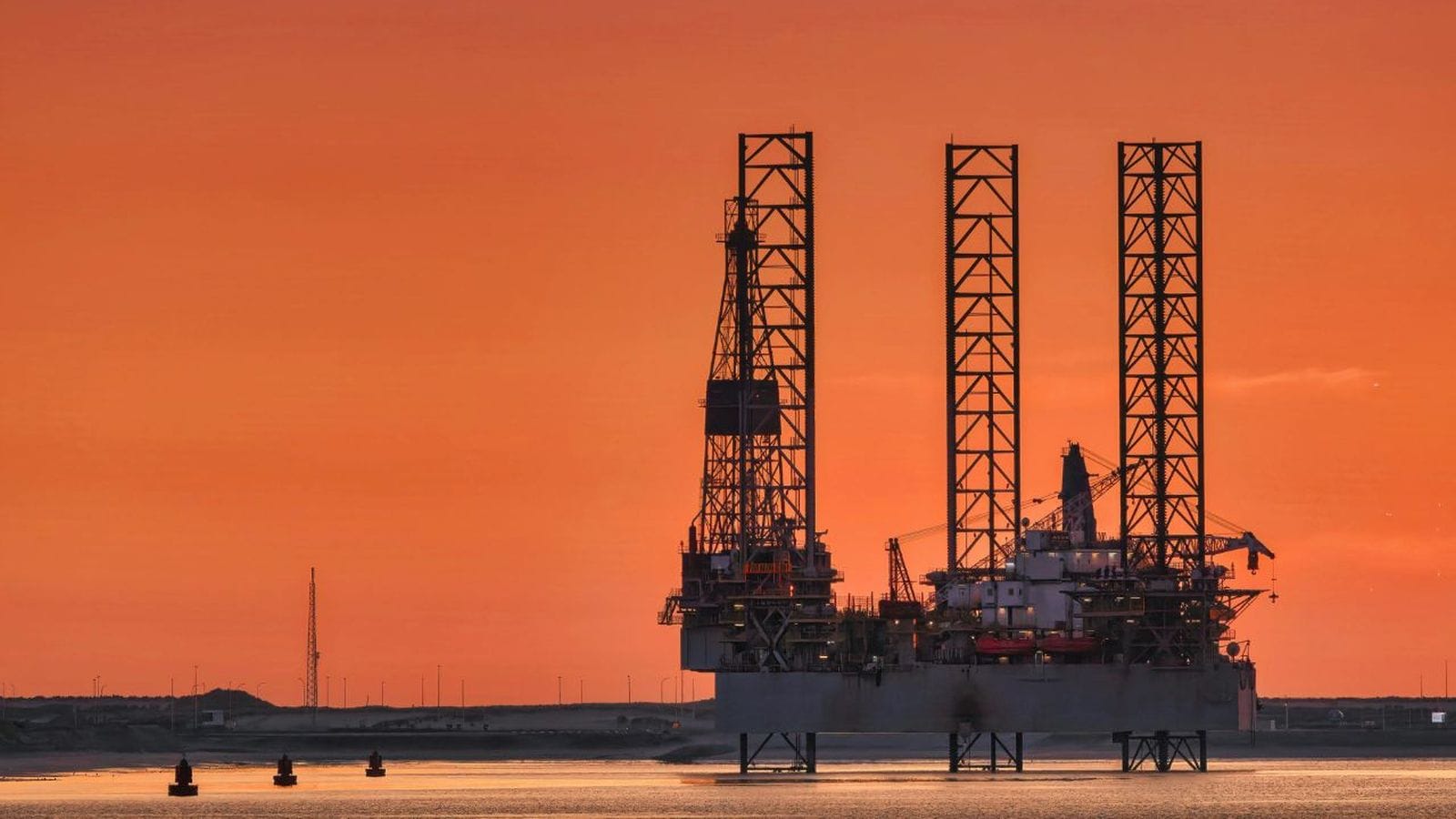
The lazy consensus in energy circles right now is simple, tidy, and entirely wrong. The mainstream narrative says that recent security incidents involving vessels and personnel targeting maritime choke points are throwing a wrench into the finely tuned machinery of the United Nations of oil production. When state-backed giants like ADNOC step out and claim these attacks are significantly impacting operations, the financial press nods along like trained seals.
It makes for good copy. It provides a neat external villain to blame for supply chain friction, fluctuating margins, and logistics headaches.
I have watched executives hide behind geopolitical headlines for decades. I've seen companies blow millions on crisis consultants while their own internal supply chain architecture rotted from the inside out. Blaming external disruptions is the oldest trick in the corporate playbook. It masks structural incompetence, underinvestment in redundancy, and decades of operational complacency under the guise of an unavoidable force majeure.
Strip away the geopolitical theater. Look at the actual plumbing of maritime energy transport. You will find a very different reality.
The Fragility Myth
Let us define what an actual operational crisis looks like. When logistics experts throw around words like disruption, they usually mean a minor delay in just-in-time delivery schedules. They treat modern oil transport like an Amazon warehouse fulfillment center. That is the first fatal error.
Oil and gas logistics are not modern e-commerce. They are heavy, deliberate, capital-intensive flows designed with massive buffers. Or at least, they used to be. Over the past fifteen years, efficiency fetishists took over the C-suite across major energy firms, including national oil companies. They squeezed every drop of spare capacity out of chartering fleets, reduced tanker turnaround times to razor-thin margins, and eliminated storage redundancies to make balance sheets look pretty for international investors.
When you strip out all slack to optimize for a frictionless world, you do not build a high-performance engine. You build a glass cannon.
Imagine a scenario where a regional shipping lane experiences zero external interference tomorrow. Do the logistics problems vanish? Absolutely not. The underlying fragility remains untouched. Vessels are still constrained by rigid long-term scheduling, maintenance backlogs, and a global shortage of qualified maritime crews that has nothing to do with stray projectiles and everything to do with a decades-long failure to invest in human capital.
Blaming maritime attacks lets leadership point outward. If the problem is a hostile actor across the water, nobody has to look at the bloated middle management, the sluggish software integration, or the archaic port-side coordination protocols that delay vessels for days before they even hit open water.
The Economics of Rerouting
Let us talk about the data the headlines leave out. When a tanker has to take the long way around the Cape of Good Hope instead of cutting through the Suez Canal, it adds days to the voyage. The amateur analyst looks at this and screams scarcity.
Markets panic. Prices twitch. Executives issue statements about profound operational impact.
Now look at the actual math. For a supertanker moving millions of barrels of crude, the fuel cost and time penalty of a southern detour represent a fraction of a percent of the total cargo value. It is a rounding error on a corporate balance sheet. The real constraint is not physical capacity or maritime safety; it is market psychology and contract flexibility.
ADNOC and its peers are not crippled because a handful of voyages take an extra week. They are squeezed because their logistics networks were engineered for a best-case economic scenario where energy flows like water through a clean pipe. The moment the pipe wobbles, the system breaks down—not because the physics are impossible, but because the management frameworks are brittle.
To be fair, there is a genuine downside to the contrarian approach I am advocating here. Acknowledging that external attacks are secondary to internal structural rot requires admitting fault. It means throwing out the lean-efficiency gospel that business schools have preached since the nineties. It means spending capital on redundancy rather than stock buybacks. Most executives would rather weather a missile scare headlines cycle every single day of the week than admit their own supply chains were fragile by design.
Dismantling the Expert Consensus
Listen to the analysts on financial television. They talk about supply chains as if they are fragile glass sculptures. They act as though a single disruption invalidates the entire architecture of global energy trade.
This is fundamentally misunderstanding how commodities move. Oil is fungible. Tankers are mobile storage units. If one route becomes politically toxic or physically inconvenient, the global fleet dynamically reroutes. It is the most resilient logistical network humanity has ever constructed, precisely because the stakes are so high.
When a national oil company tells you that external security incidents are significantly impacting core operations, translate that statement correctly. It means: Our hyper-optimized, lean-to-the-bone logistics model cannot handle a minor variance in transit times without breaking a sweat, and we need a convenient excuse to explain the margin compression to our stakeholders.
The question you should be asking is not how many vessels were delayed last Tuesday. The question is why a multi-billion-dollar enterprise operating in one of the most volatile regions on earth was caught with zero logistical shock-absorption capacity in the first place.
Stop swallowing the narrative that maritime friction is breaking the energy grid. The grid is fine. The excuses are what is wearing thin.
Update your operational models for a chaotic world, or stop pretending you were ever built to weather a storm.