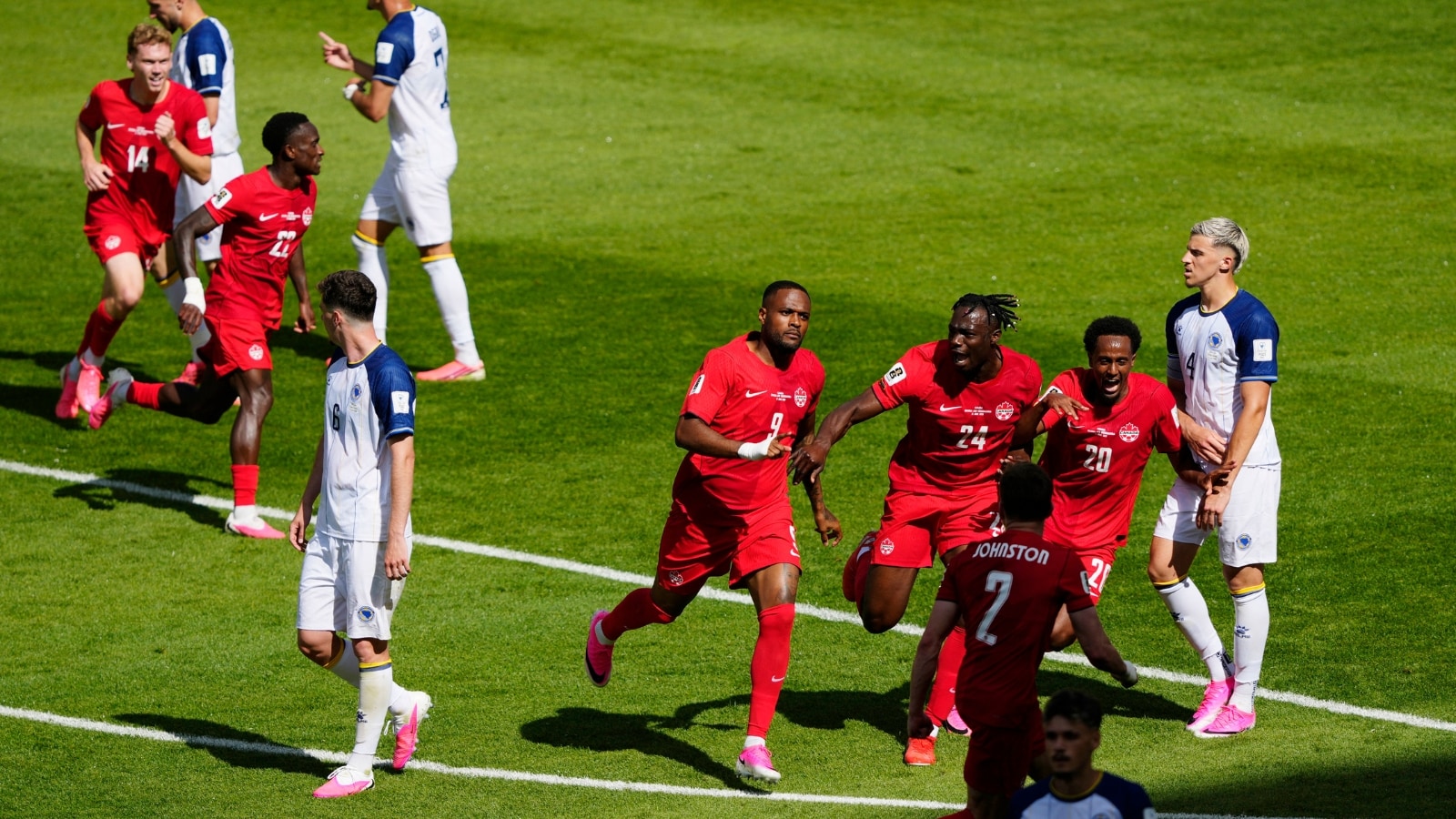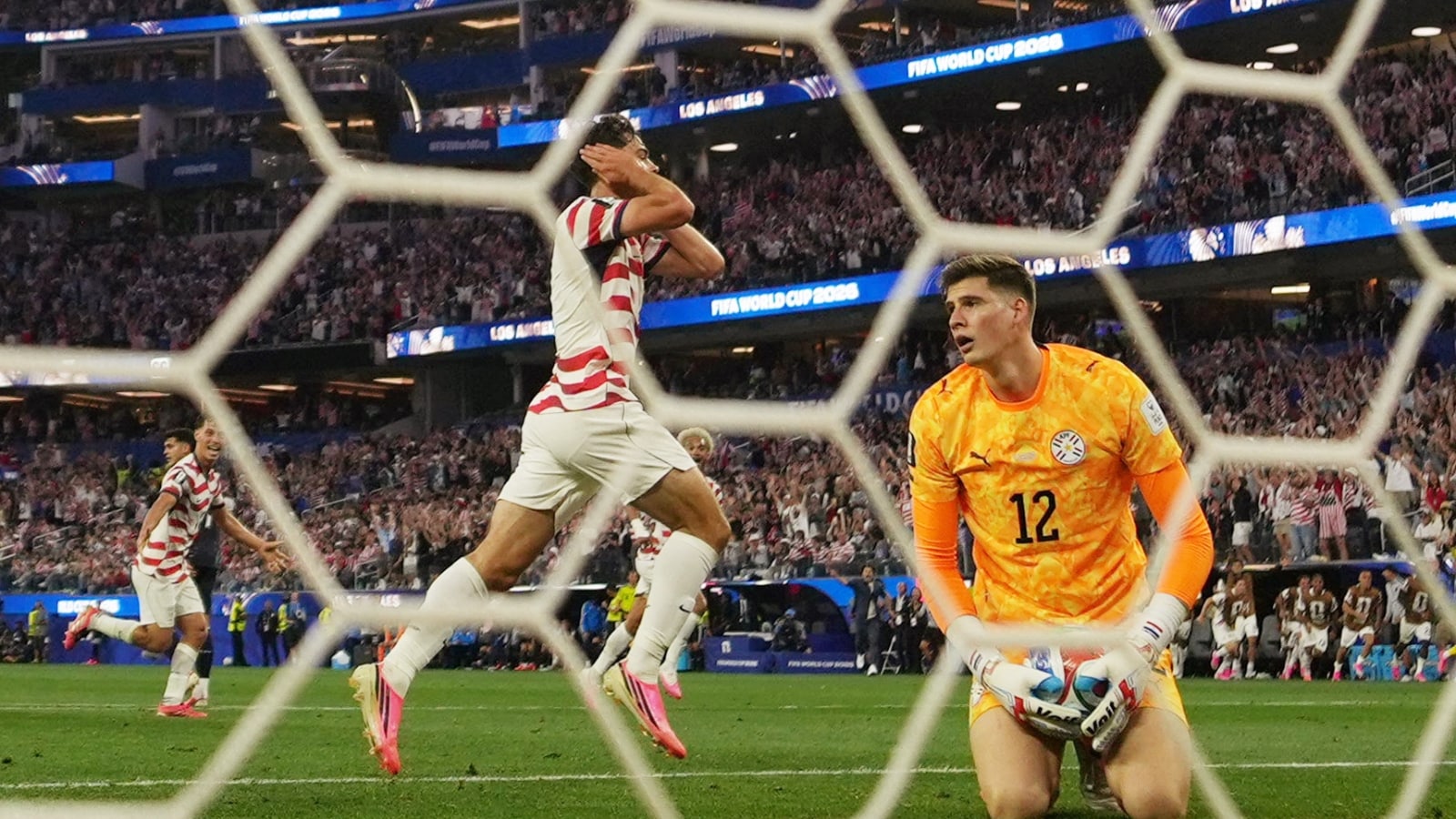
You love the drama. You hate the time zones. Every few years, football fans face the same brutal choice when the World Cup moves to the other side of the planet. Kickoff is at 3:00 AM. You have a presentation at 9:00 AM.
Most people handle a World Cup all-nighter completely wrong. They chug energy drinks at midnight, crush a greasy pizza at halftime, and wonder why their heart is racing while their brain feels like wet cement. By noon the next day, they are a zombie.
It does not have to be that miserable. Staying up for the football is an art form. Over years of covering tournaments from Tokyo to Rio, I have tested every survival strategy. Some work. Most fail.
Surviving a late-night match is not about willpower. It is about biology. If you manage your light, your hydration, and your body temperature correctly, you can watch your team win and still function the next day.
The Science of the Midnight Match
Your brain relies on a tiny region called the suprachiasmatic nucleus. Think of it as a master clock. It uses light to determine whether you should be bursting with energy or fast asleep. When you force yourself to stay awake for a 2:00 AM kickoff, you are fighting millions of years of evolution.
To win this fight, you need to understand sleep architecture. A full sleep cycle takes roughly 90 minutes. It moves you from light sleep to deep sleep, then REM, and back again. If you wake up in the middle of deep sleep, you experience sleep inertia. That is the heavy, confused feeling that makes you want to throw your alarm clock against the wall.
If you can only grab a tiny bit of sleep before or after the match, aim for multiples of 90 minutes. Three hours of sleep is often better than three and a half.
The Pre Match Strategy Starts at Noon
You cannot start preparing for an all-nighter at 11:00 PM. That is a recipe for disaster. The prep work begins hours before the referee blows the initial whistle.
First, forget the temptation to sleep in late on the morning of the match. That pushes your entire circadian rhythm out of whack. Wake up at your normal time. Instead, build up a sleep bank later in the day.
A strategic afternoon nap is your secret weapon. Researchers at the Sleep Research Centre at Loughborough University found that even a 20-minute nap improves alertness and cognitive function for hours. For a World Cup all-nighter, aim for a longer 90-minute snooze between 2:00 PM and 5:00 PM. This lets you complete one full sleep cycle without ruining your ability to fall asleep later if you get a small window before kickoff.
The Banking Method
- Wake up at your normal time.
- Eat a high-protein lunch to keep energy stable.
- Take a 90-minute nap in a completely dark room in the late afternoon.
- Avoid all caffeine after 2:00 PM until the match starts.
Rethinking Your Match Day Fuel
We need to talk about the snacks. The classic football menu is a disaster for an all-nighter. Crisps, pizza, burgers, and beer will destroy your chances of staying awake.
High-fat, high-carb foods require a massive amount of energy to digest. Your body diverts blood flow away from your brain and straight to your stomach. You get sluggish. Your eyelids get heavy right around the 60th minute.
Alcohol is even worse. It is a central nervous system depressant. While that first cold beer feels great during the pre-match analysis, it actively induces sleepiness. Even worse, it ruins the quality of any recovery sleep you get after the game. Save the celebratory drinks for the weekend.
Instead, graze on high-protein, low-glycemic snacks. Think almonds, jerky, or Greek yogurt. These foods provide a slow, steady release of glucose to your brain without the sudden insulin spike that leads to a crash.
The Caffeine Timeline Trick
Most fans abuse caffeine. They drink coffee constantly from midnight until dawn. This is a massive mistake.
Your brain builds up a chemical called adenosine throughout the day. The more adenosine in your system, the sleepier you feel. Caffeine works by blocking adenosine receptors. It does not actually create energy, it just hides your fatigue.
If you flood your system with caffeine too early, your receptors get overwhelmed. When the caffeine wears off, all that built-up adenosine hits your brain simultaneously. You crash hard.
The sweet spot for your first coffee or energy drink is 30 minutes before kickoff. Caffeine takes about 20 to 30 minutes to enter your bloodstream and hit peak effectiveness. This timing ensures you are maximally alert for the national anthems and the opening exchanges.
Stop all caffeine intake by the start of the second half. If the match goes to extra time and penalties, rely on adrenaline and cold water. If you consume caffeine at 4:30 AM, you will not sleep when the game ends. That ruins your upcoming workday.
Managing Your Environment
Your living room layout matters. If you sit on a comfortable, plush sofa in a dimly lit room, your body assumes it is bedtime. You will doze off during a VAR review.
Turn on the lights. Use bright, white or blue-tinted LED bulbs if you have them. Blue light suppresses the production of melatonin, the hormone that makes you sleepy. Keep the room slightly cold. A warm room encourages drowsiness. Set the thermostat to around 18°C.
Do not watch the match alone in silence if you can avoid it. Group chats, live forums, or hosting a few friends keeps your brain engaged. Social interaction triggers dopamine release, which naturally boosts alertness.
Stand up at halftime. Do not just sit there scrolling through social media. Walk around the block, do ten air squats, or splash freezing water on your face. Physical movement increases your heart rate and pumps fresh oxygen to your brain.
The Morning After Recovery Plan
The match is over. Your team won, or maybe they broke your heart. Either way, the sun is rising and you have a life to manage. How you handle the next four hours determines whether you survive the day.
If you have at least 90 minutes before you need to get ready for work, go to sleep immediately. Block out the morning sun with blackout curtains or an eye mask. Use earplugs. You need this sleep to be as deep as possible.
When the alarm goes off, do not hit snooze. Get out of bed and get into the sun. Natural sunlight tells your master clock that the night is officially over, shutting down any lingering melatonin production.
Take a cold shower. It sounds brutal, but it triggers a flood of norepinephrine, a hormone that increases focus and attention.
When you get to work, prioritize your hardest tasks first. Your brain will have a small window of functional alertness in the morning, fueled by cortisol and morning adrenaline. By 2:00 PM, your cognitive abilities will plummet. Schedule easy, administrative tasks like clearing emails or organizing folders for the afternoon.
Skip the heavy lunch. Eat a light salad with grilled chicken. Keep hydrating with water. If you must use caffeine, stick to small green teas or a single espresso. Do not chug giant energy drinks in the afternoon, or you will repeat the cycle of poor sleep the following night.
Get to bed early the next night to reset your schedule. Your body is incredibly resilient. It can handle one night of chaotic sleep if you return to your normal routine immediately after.
Now check the tournament schedule. Pick the matches that actually require an all-nighter. Group stage games against weak opponents might be worth skipping for sleep. Save your energy capital for the knockout rounds. Plan your nap windows today, stock up on high-protein snacks, and keep the water bottle filled. You can watch the beautiful game without destroying your week.