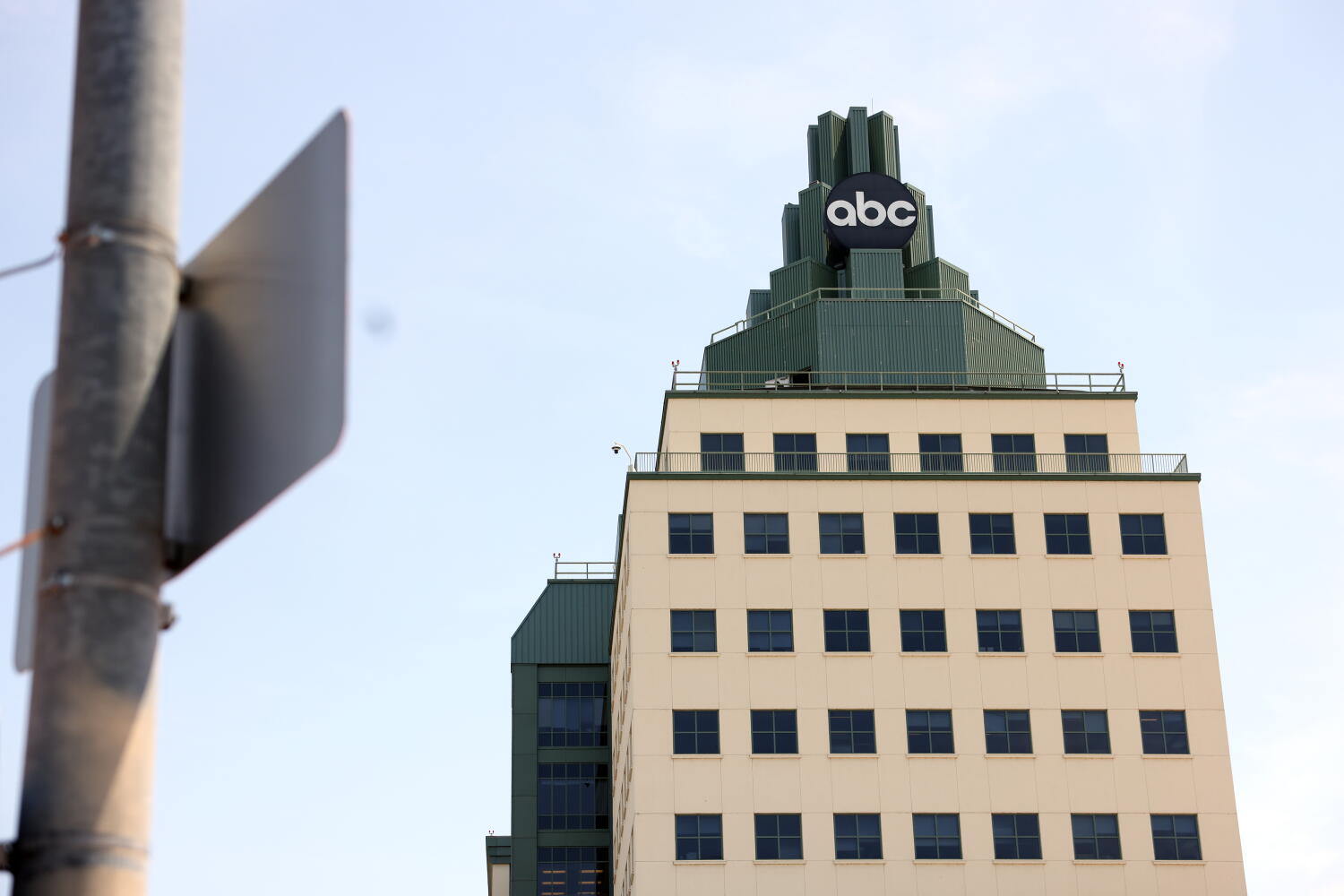
When government regulators start breathing down a media company's neck, editorial rooms change their behavior fast. That is exactly what is happening at ABC right now. Disney-owned executives and news producers are admitting that an aggressive early review of their local station broadcast licenses by the Federal Communications Commission is forcing them to second-guess hard-hitting news coverage decisions.
It is a chilling development for free expression in broadcast media. When the threat of losing billions in station assets hangs over a network's head because politicians dislike a joke or a tough investigative report, self-censorship creeps in through the back door. Expanding on this idea, you can also read: The Final Mile.
The Battle Over Broadcast Licenses
The root of this mess traces back to an unusual and aggressive move by FCC leadership. The agency ordered an early review of the broadcast licenses for eight local television stations owned and operated by ABC. Normally, license renewals happen on a standard, predictable multi-year cycle. Pulling them up early felt targeted, especially coming on the heels of political friction over late-night commentary and sharp news segments.
ABC fought back by filing a federal lawsuit, arguing that the agency's actions are blatant First Amendment retaliation. Legal briefs point out that regulators bypassed standard, less intrusive investigative paths just to put the squeeze on Disney's corporate leadership. Former regulators and free speech advocates have stepped up to call the maneuver out as an unconstitutional abuse of power. Even so, the legal fight in federal court is dragging on, leaving the network exposed while judges weigh whether to halt the proceedings. Experts at Al Jazeera have shared their thoughts on this matter.
How Regulatory Pressure Changes Newsrooms
You don't need a direct government order to kill a controversial story. You just need to create enough financial anxiety.
When a regulatory body holds the keys to your ability to broadcast over public airwaves in massive markets like New York, Los Angeles, and Chicago, every producer and lawyer starts looking at investigative pieces with a magnifying glass. Stories about political corruption, government overreach, or polarizing figures suddenly face an uphill battle. Editors start asking questions they never used to ask:
- Is this piece going to trigger another retaliatory filing from Washington?
- Do we have the stomach for a multi-year legal battle with federal regulators over a single broadcast segment?
- Is it safer to drop this investigative angle and run something more conventional instead?
This quiet chilling effect is far more dangerous than an outright ban. It happens behind closed doors during morning editorial meetings. Nobody writes a memo saying "let's censor ourselves." Instead, risk aversion becomes the default policy. Hard-hitting journalism gets watered down to avoid poking the bear.
The Broader Threat to Local Broadcasting
People often forget that the FCC's authority is tied directly to local over-the-counter broadcast stations, not cable channels or internet streaming apps. By weaponizing the local station renewal process, regulators found a vulnerability. ABC's local stations rely entirely on those federal licenses to keep transmitting signals to living rooms.
If this tactic succeeds, it sets a terrible precedent for the entire media industry. Any administration from any political party could use the licensing hammer to punish networks for coverage they find unpalatable. Broadcasters across the country are watching this case closely. If the courts let the FCC use early license reviews as political leverage, independent journalism on traditional television networks will face an impossible future.
The lawsuit continues to wind its way through the legal system, but the damage to everyday news judgment is already happening. When survival depends on keeping a hostile regulator quiet, speaking truth to power becomes an expensive luxury most corporate networks struggle to afford.