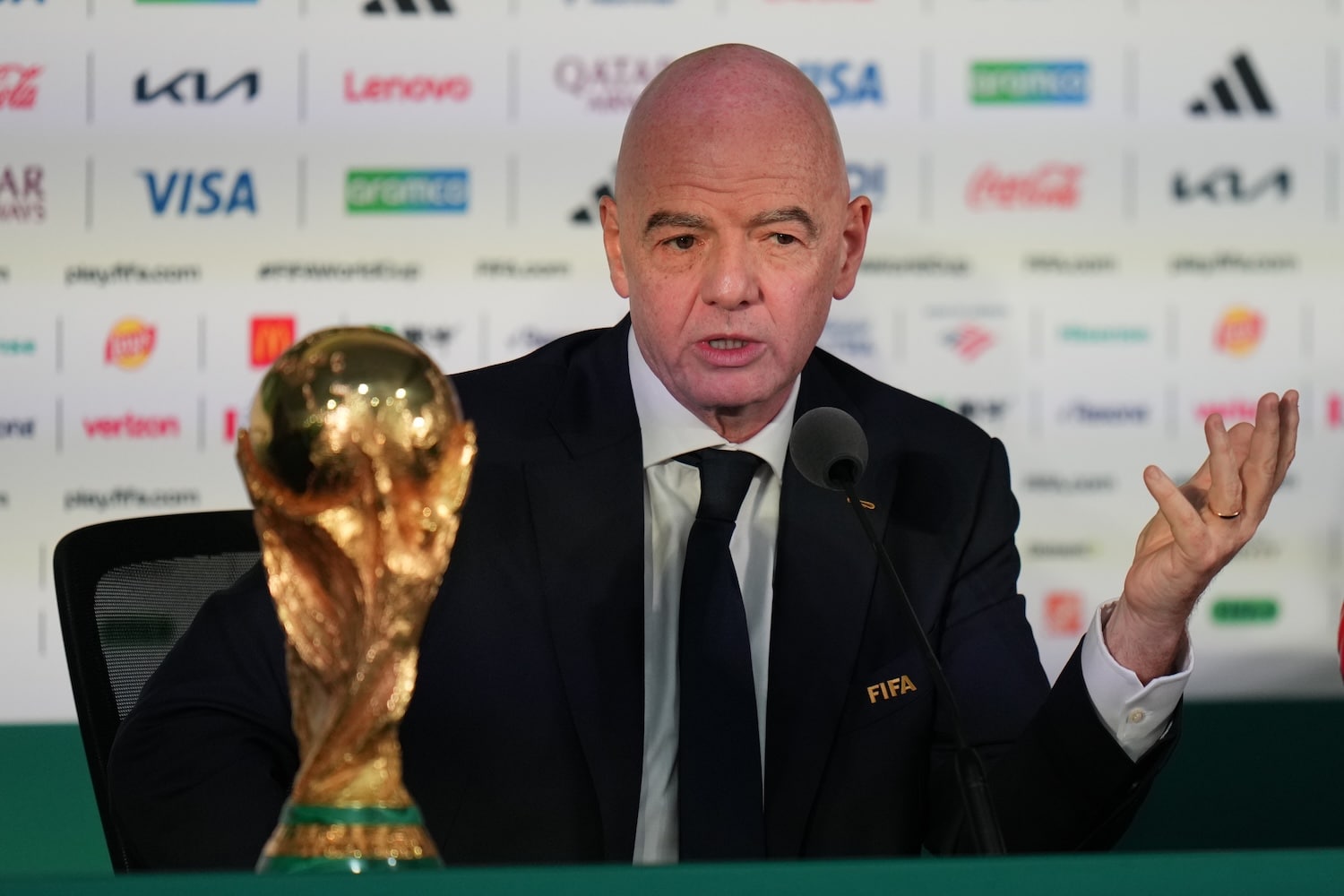
The sports media collective is having another predictable meltdown. FIFA leadership recently told fans to calm down over soaring World Cup ticket prices and a controversial referee ban. Predictably, the internet responded with its usual chorus of outrage, painting soccer’s governing body as a cartoon villain robbing working-class fans of their birthright.
It is a comforting, populist narrative. It is also entirely wrong.
The lazy consensus dictates that sports tickets should be cheap, that refereeing decisions should be democratic, and that football belongs to the purists who stand in the rain on a Tuesday night. But nostalgia doesn’t build stadiums, and it doesn't scale a global sport.
If you actually look at the mechanics of sports economics, FIFA’s unapologetic capitalism isn't ruining the game. It is saving it from stagnation.
The Economics of Scarcity: Why Cheap Tickets Create a Worse Product
Every four years, the entire planet tries to squeeze into a handful of stadiums. Demand doesn't just exceed supply; it obliterates it. When the corporate media elite cry about a $300 or $500 group-stage ticket, they are ignoring basic market dynamics.
When you artificially underprice a hyper-scarce asset, you do not help the average fan. You enrich the scalper.
Imagine a scenario where FIFA caps World Cup final tickets at a "reasonable" $100. What happens?
- The Bot Army Wins: Sophisticated ticket brokers deploy automated software to scoop up the inventory in milliseconds.
- The Secondary Market Explodes: That $100 ticket is immediately listed on stub-hub or specialized marketplaces for $4,000.
- Zero Benefit to the Fan: The fan still pays thousands, but instead of that money going back into football infrastructure, youth academies, and global development, it funds a tech-savvy middleman's third vacation home.
By pricing tickets closer to actual market value, FIFA captures the economic rent. I have analyzed corporate sports financing for over a decade, watching clubs and leagues bleed revenue because they were terrified of fan pushback. The organizations that thrive are the ones that charge what the market will bear and reinvest the capital.
If a premium product costs premium money, the consumer pool shifts. That is not class warfare; it is reality. The fans paying these prices are funding the broadcast technology that allows four billion people to watch the tournament for free at home.
The Referee "Chill" Order: Why Insulating Officials is Essential
The second half of the media’s grievance list involves FIFA’s directive for the public to "chill" over referee bans and controversial officiating decisions. The common complaint is that a lack of public accountability protects incompetence.
The opposite is true. Public accountability in modern sports has devolved into digital vigilantism.
Referees do not make mistakes because they are corrupt or lazy. They make mistakes because they are human beings operating at terrifying speeds under microscopic scrutiny. When a governing body allows every decision to be litigated in the court of public opinion, it destroys the psychological safety required to referee effectively.
Traditional View: Public Criticism -> Accountability -> Better Refereeing
The Reality: Public Criticism -> Intense Pressure -> Hesitation & Worse Decisions
Look at the English Premier League, where refereeing scrutiny has reached a fever pitch. The result? Officials are paralyzed by fear, relying entirely on VAR safety nets, which slows the game to a agonizing crawl.
FIFA’s dismissive attitude toward referee outrage isn't arrogance. It is a necessary shield. By telling the public to pipe down, they are preventing the total erosion of referee morale. If you want better officiating, you need to attract elite talent to the profession. You do not attract elite talent by promising them a weekly public execution on social media.
Dismantling the "People Also Ask" Delusions
The internet routinely asks the same flawed questions about major sports tournaments. Let's answer them with brutal clarity.
Why doesn't FIFA subsidize tickets for local fans?
Because local subsidies create a massive arbitrage opportunity. A subsidized ticket program simply creates a black market where locals flip their cheap passes to wealthy international tourists for a 10x profit. It is unenforceable without implementing dystopian biometric tracking at every turnstile.
Won't high prices kill the atmosphere in the stadium?
This is a myth propagated by traditionalists who equate atmosphere exclusively with rowdiness. The atmosphere at a modern World Cup is different, yes—it is international, corporate, and family-oriented—but it is highly profitable. Corporate boxes and high-net-worth attendees subsidize the entire corporate ecosystem of the tournament.
Does FIFA actually care about football development?
FIFA cares about revenue generation, which is the prerequisite for football development. Without massive cash reserves from the men's World Cup, the women's game remains underfunded, and smaller member associations in developing nations cannot afford pitches, let alone coaching staff. The greed of the elite tournament funds the survival of the global grassroots game.
The Hard Truth of Global Entertainment
Football is no longer just a sport; it competes directly with Hollywood, streaming giants, and gaming for global attention share. To maintain its dominance, the World Cup must be produced like the Super Bowl on steroids. That requires staggering capital.
The contrarian approach to enjoying modern football requires a complete mindset shift:
- Accept that the stadium is a TV studio: The in-person match is a premium backdrop for the billions watching at home. You are paying for a luxury experience, not a community gathering.
- Stop demanding perfection from human officials: The obsession with absolute refereeing accuracy is killing the flow of the game. A bad call is a narrative device; it's part of the drama.
- Judge the sport by its reach, not its accessibility: A sport that is accessible to everyone in a stadium but cannot afford global distribution is a dying sport.
Stop crying about the price of admission. If you can't afford the stadium, turn on your television, enjoy the ultra-high-definition broadcast funded by the wealthy people in the stands, and accept that the beautiful game is, first and foremost, a beautiful business.