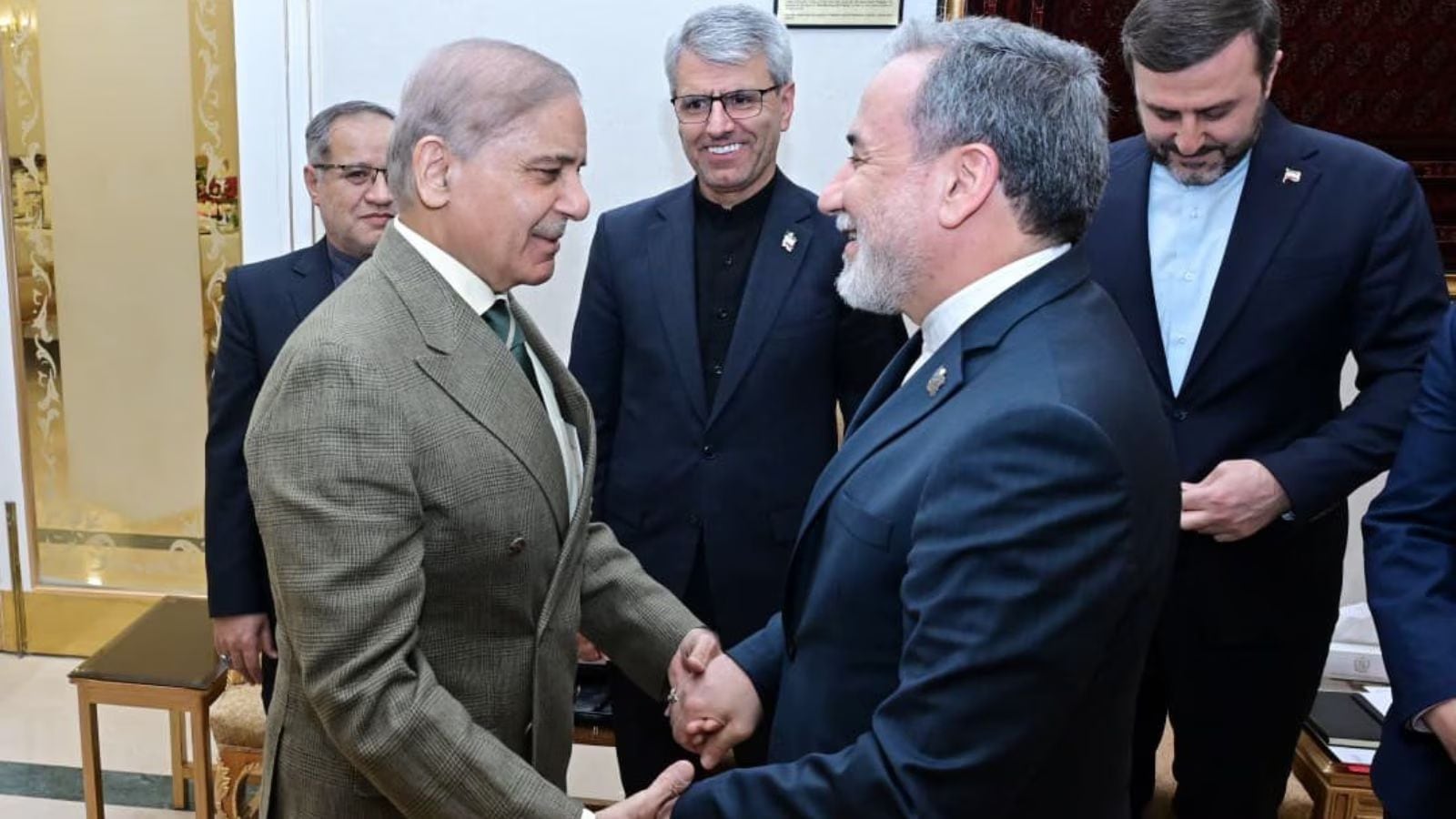
The global press is currently tripping over itself to report Pakistani Prime Minister Shehbaz Sharif’s declaration that a U.S.-Iran peace deal is imminent. The mainstream media loves a ticking clock. "Within 24 hours," they scream in flashing red banners, painting a picture of historic handshakes, sudden regional stability, and an overnight reshaping of Middle Eastern economics.
It is pure theater.
If you understand how modern sanctions regimes, legislative chokeholds, and statecraft actually operate, you know that a "24-hour breakthrough" is mechanically impossible. What Sharif is teasing isn't a peace deal. It is a temporary, tactical pause wrapped in hyperbolic optics—one designed to serve the domestic political survival of the parties involved rather than a structural shift in global alignment.
The lazy consensus assumes that if the top executives want a signature, the machinery moves. It doesn't. Believing a comprehensive U.S.-Iran normalization can happen overnight ignores the concrete realities of institutional gridlock.
The Sanctions Illusion and Legislative Concrete
Let us look at the actual plumbing of American foreign policy. A U.S. President cannot simply erase decades of Iran sanctions with a stroke of a pen before tomorrow morning.
The Western press talks about "lifting sanctions" as if turning off a light switch. In reality, the U.S. sanctions framework on Iran is a dense, overlapping web of executive orders and congressional statutes.
- The JCPOA Precedent: When the Joint Comprehensive Plan of Action was implemented in 2015, it required months of bureaucratic maneuvering just to issue waivers.
- The CAATSA Stumbling Block: Statutes like the Countering America's Adversaries Through Sanctions Act (CAATSA) tie executive hands by linking sanctions to non-nuclear issues like ballistic missile programs and regional proxy funding.
- The Terrorism Designation: The Islamic Revolutionary Guard Corps (IRGC) remains designated as a Foreign Terrorist Organization (FTO). De-listing an entity from the FTO list involves a rigorous, statutory review process with mandatory congressional notification periods.
If an announcement happens in the next 24 hours, it will not be a "peace deal." It will be an unfreezing of specific, escrowed humanitarian funds or a limited waiver on oil exports to select Asian markets in exchange for a temporary pause in uranium enrichment. Calling this a peace deal is like calling a 30-day trial subscription a lifetime marriage commitment.
Why Pakistan Wants You to Believe the Hype
To understand why this rumor is originating from Islamabad rather than Washington or Tehran, you have to follow the money and the geography. Pakistan is currently navigating a brutal macroeconomic crisis, juggling massive IMF structural adjustment programs and crippling energy shortages.
The long-delayed Iran-Pakistan gas pipeline has been a multi-billion-dollar albatross around Islamabad's neck. Iran has completed its side of the infrastructure; Pakistan has stalled its section for years under the direct threat of U.S. extra-territorial sanctions. If Pakistan faces billions in penalties from Tehran for breach of contract, or economic strangulation from Washington for compliance, they are trapped.
By projecting an imminent U.S.-Iran detente, Sharif is trying to achieve two things:
- Market Stabilization: Soothing nervous domestic markets and international investors by signaling that Pakistan's immediate geopolitical neighborhood is about to become less volatile.
- Strategic Cover: Laying the rhetorical groundwork to justify Pakistan’s future energy imports from Iran without triggering immediate U.S. congressional backlash.
I have spent years analyzing how developing states use international diplomatic rumors to manage domestic fiscal panics. It is a classic misdirection. Sharif is reporting his wishlist, not a done deal.
The Flawed Premise of "People Also Ask"
Look at the standard questions dominating the news cycle right now. The public is asking completely the wrong things.
Will a U.S.-Iran peace deal lower global oil prices instantly?
No. The oil market has already priced in the structural reality of illicit Iranian crude flowing to illicit markets via ghost fleets. A formal deal does not suddenly inject millions of unexpected barrels into the market; it merely changes the compliance paperwork for the buyers. Furthermore, OPEC+ production quotas and global demand slowdowns dictate the macro price trends far more than a sudden normalization of Iranian legal exports.
Can the U.S. President bypass Congress to sign this?
He can sign a political commitment, but he cannot guarantee its permanence. Any deal struck solely through executive action is a house of cards. The next administration can—and likely will—tear it up on day one, just as occurred in 2018. Sophisticated sovereign entities do not reshape their entire long-term economic strategies based on an executive agreement that expires at the next election cycle.
The Brutal Operational Reality
Imagine a scenario where a document is actually signed today. What happens tomorrow?
Compliance departments at major global financial institutions like HSBC, BNP Paribas, or Deutsche Bank do not read a press release and instantly open up SWIFT channels to Tehran. The compliance hangover from the post-JCPOA era is still vivid. Banks were burned for billions in fines for violating sanctions. They will require years of formal, written guidance from the U.S. Treasury’s Office of Foreign Assets Control (OFAC) before clearing a single transaction.
The downside of my contrarian view is obvious: it lacks the dopamine hit of a "world peace" headline. It forces you to look at boring things like statutory text, compliance timelines, and geopolitical hedging rather than dramatic handshakes. But ignoring these mechanics is how multinational corporations and traders lose fortunes.
Stop buying into the 24-hour hype cycle. Treat the upcoming announcement for what it is: a highly orchestrated public relations exercise designed to buy political breathing room for cash-strapped administrations.
Watch the OFAC registry, not the press conferences. If the registry doesn't change, the reality hasn't changed.


